Pull open the entrance door. That morning air felt like something. Everyone shares it regardless of their residence. The environment connects us all, usually in ways most people never give much thought. Still, many tend to feel that events like melting glaciers or dying coral reefs have no bearing on their daily life. Think once more HDI Six Nations. The truth is that our environment determines whether we have safe food sitting on our kitchen table, clean water, and good employment.
Imagine yourself as a city dweller who has never even set seeds. The air feels thicker, the afternoons sticky, and one hot summer your neighbor’s child suddenly requires an inhaler. On the news, you learn about wildfires, but then for weeks your preferred meal disappears from the shop shelves. It starts locally but never stays little for very long.
Imagine the drama when variations in temperature cause havoc with the crop. Crops fail, supply networks fall apart, your preferred meal costs three times as much, and your paychecks barely cover it. Nobody enjoys a chain reaction like that. Big businesses with large profit margins are not exempt from the measure either. Who wants to pay more for declining produce and expanding health insurance? None of them. And it’s happening faster than anyone would have predicted.
The patience of nature is not unqualified. Years of healthy drinking water are lost for communities when a contaminated river is delayed in being fixed. Cut down a forest, then pray it will regrow in a season. There is fat chance. Sometimes impossible, after-the-fact repairs are slow and costly. Although it takes time, prevention pays off handsomely.
Young voices these days are loud. Children storm into living rooms bearing signs and ask questions adults would not be able to readily respond: “Will we always have to wear masks outside?” Their future hinges on the decisions taken right now. Forget about greenwashing anything; this is about whether households can buy groceries, whether houses can endure storms, and if clean water keeps flowing.
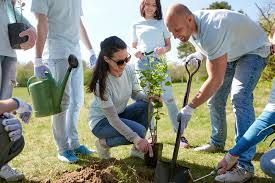
Little changes add up to a lot. Come to the store carrying your own bag. Try bus catching or carpooling to meet that crankiness. Support leaders with enough courage to defend natural areas and advocate greener energy sources. Plan a tree-planting event in the neighborhood school. Though it seems little at the time, action counts.
Perfection is not necessary; just effort will do. The other is crossing our fingers and hoping the world stays mostly unchanged. That is absolutely no tactic at all. Fixing the backyard falls on everyone since we share it. Neither a dress rehearsal nor a backup planet. Best let our hands go to work and start.